Solo Travel Safety Guide — Stay Connected Wherever You Go
Whether you are backpacking through Southeast Asia, working remotely from Lisbon, or taking your first solo trip after retirement — a daily check-in keeps your family at ease without limiting your freedom.
Solo travel is booming. Over 35 million digital nomads roam the globe, senior solo travel has grown 131% since 2019, and female solo travelers now represent one of the fastest-growing segments of the travel industry. Yet most travelers rely on inconsistent WhatsApp messages or scheduled phone calls to keep family informed. When those fall through — bad signal, timezone gaps, sheer exhaustion — worry fills the silence. A free daily check-in app replaces that uncertainty with a single reliable signal: one tap each morning confirms you are okay, and automatic alerts notify your emergency contact if you miss it.
Why Travel Safety Needs More Than a Good Itinerary
Guidebooks cover what to see and where to stay. They rarely address what happens when nobody hears from you for two days. When you are traveling solo, there is no roommate to notice you didn't come back to the hostel, no partner to raise the alarm when your phone goes silent. The gap between something going wrong and someone finding out can stretch from hours to days.
Traditional safety advice — share your itinerary, register with the embassy, buy travel insurance — covers the big-picture risks but misses the daily reality. Most travel incidents are not dramatic kidnappings; they are food poisoning that keeps you in bed, a stolen phone that cuts communication, or a missed bus that strands you in a town with no signal. A daily check-in catches all of these by design. When your family sees the green confirmation each morning, they know you are fine. When they don't, they know to act.
This is especially critical for travelers who move frequently. A fixed itinerary becomes outdated the moment you change plans, but a daily check-in remains accurate regardless of where you wake up.
How the Daily Check-In Works for Travelers
The I'm Alive app adapts to the unpredictable life of a traveler. When you cross timezones, your check-in window adjusts automatically — no manual reconfiguration needed. The check-in itself uses minimal data, less than loading a single webpage, so it works on slow hostel WiFi, airport connections, and even spotty mobile data in rural areas.
Each morning (or whatever time you choose), you receive a gentle reminder. Tap the green button to confirm you are okay. Optionally add a note like 'Arrived in Chiang Mai' or 'Heading to remote trek, may miss tomorrow.' Your emergency contact sees the confirmation and goes about their day without worry.
If you miss your check-in, the app sends you reminders. After your chosen grace period — anywhere from 15 minutes to 2 hours — your emergency contact receives an automatic alert. No action required from you during a crisis, no phone call to make, no button to find. The absence of a check-in is itself the signal.
Who Needs a Travel Safety Check-In
Digital nomads move between countries constantly, making regular phone calls nearly impossible due to timezone shifts. A daily check-in gives their families a consistent signal regardless of whether they are in Bali or Berlin.
Senior solo travelers face unique concerns: managing medications across timezones, navigating unfamiliar healthcare systems, and reassuring adult children who may oppose the trip entirely. A check-in proves their independence without requiring them to master video calling apps.
Female solo travelers often face heightened family anxiety. Rather than sharing live GPS location — which feels invasive and drains battery — a single daily tap provides enough confirmation without surveillance.
Backpackers on tight budgets cannot afford satellite communicators or international phone plans. The check-in app is free and works on any internet connection, making it the most accessible safety tool available.
Business travelers, gap-year students, and retirees on extended road trips all share the same core need: someone should notice quickly if they stop being okay.
What Makes This Different from Location Sharing
Location sharing apps like Life360 or Find My Friends tell your family where you are but not how you are. You could be sitting in a hospital and your GPS pin would look the same as sitting in a cafe. Location tracking also drains battery rapidly — the last thing you want when traveling with limited charging opportunities.
More importantly, constant location tracking feels like surveillance. Many travelers, especially adults traveling independently, resist sharing their GPS because it undermines the autonomy that makes solo travel meaningful. A daily check-in respects that boundary. Your family does not know which bar you visited or which neighborhood you explored. They know one thing: you are okay today.
The check-in also works where GPS fails. Underground hostels, remote mountain areas, and countries with VPN restrictions can all interfere with real-time location sharing. A single daily tap is more reliable because it needs only a brief moment of connectivity, not a persistent connection.
Building a Complete Travel Safety System
A daily check-in is the foundation, but a complete travel safety system includes several layers. Start with the check-in app as your daily confirmation. Add travel insurance for financial protection against medical emergencies and trip disruptions. Register with your country's embassy or consular service when visiting higher-risk destinations.
Keep a digital copy of your passport, insurance policy, and emergency contacts in a secure cloud folder your emergency contact can also access. Share a general itinerary — not a minute-by-minute schedule, but enough context that if an alert triggers, your contact knows which country and city to start looking.
The guides below cover each of these layers in detail for your specific travel style. Whether you are a first-time solo backpacker or a seasoned digital nomad on your tenth country this year, there is a guide tailored to your situation.
Watch: Quick Safety Tips
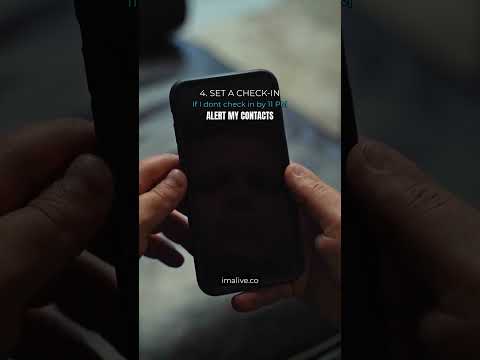
Walking Alone at Night

Solo Hiking Safety
All Travel Safety Guides
10 free guides to help you stay safe and connected.
Digital Nomad Safety Checklist: Stay Connected While Working Abroad
35M+ digital nomads, 72% have worried families. Essential 12-point safety checklist: daily check-in protocols, emergency plans, travel insurance, and a free safety app.
Senior Solo Travel Safety: Safe Adventures for Retirees
Comprehensive guide to safe solo travel for seniors and retirees. How to stay connected with family, manage health needs abroad, and travel confidently after 60.
Backpacker Safety Check-in System: Stay Safe on Budget Travel
Safety check-in system for backpackers and budget travelers. How to keep family updated, handle emergencies in remote areas, and travel smart on any budget.
Female Solo Traveler Safety Guide: Smart Strategies for Women
Safety guide for women traveling alone. Daily check-in strategies, personal safety tips, and how to keep family informed without sacrificing independence or freedom.
Group Travel vs Solo Travel: Safety Considerations Compared
Compare safety considerations between group travel and solo travel. Learn the unique risks of each, and how daily check-ins protect you regardless of how you travel.
International Solo Travel: Keeping Family Informed Across Borders
How to keep family informed during international solo travel. Manage timezone differences, embassy contacts, and daily safety check-ins across countries and continents.
Creating a Travel Itinerary That Keeps Loved Ones Informed
How to create a travel itinerary that balances your freedom with family peace of mind. Tips for sharing just enough information to keep everyone comfortable.
Travel Insurance and Safety Check-ins: Complete Protection
How travel insurance and daily safety check-ins work together to protect you abroad. Understanding coverage gaps, claims processes, and why communication matters.
When Check-ins Fail: Emergency Protocols for Travelers
What happens when a traveler misses their daily check-in. Emergency protocols, escalation steps, and how families should respond to a missed safety check-in.
Building a Digital Safety Net for World Travelers
Build a comprehensive digital safety net for world travel. Combine daily check-ins, cloud backups, emergency contacts, and smart technology for complete travel protection.
Frequently Asked Questions
Does the check-in app work without cell service?▾
The app needs a brief internet connection to send the check-in — WiFi or mobile data both work. If you are completely offline (remote trek, flight), the missed check-in itself becomes the safety signal. Many travelers add a note beforehand like 'Heading to remote area, back in 2 days' so their contact knows to expect a gap.
How does the app handle timezone changes when I fly to a new country?▾
The app detects your timezone automatically. When you land in a new timezone, your check-in window adjusts without any manual change. Your emergency contact receives alerts based on their own timezone, so the transition is seamless for everyone.
Is this better than just texting my family every day?▾
Texting requires you to remember, compose a message, and send it — and it requires your family to notice if you don't text. The app automates everything: you get a reminder, you tap one button, and the system handles escalation if you miss. No message gets lost in a group chat, and no one has to wonder whether a missing text means trouble or just a busy day.
Can I pause check-ins during a remote trek or long flight?▾
You can adjust your grace period or add a note for your contact. Some travelers extend their grace period before heading to areas with no connectivity. Your emergency contact can also see notes you leave, so they understand the context if a check-in is late.
My parents are against me traveling solo. Will this help convince them?▾
Many users report that their families became significantly more supportive once they saw the daily check-in in action. The green confirmation each morning replaces the constant worry cycle. It shifts the conversation from 'please don't go' to 'have a great trip, I will see your check-in tomorrow.'
Does the app track or store my location?▾
No. The app does not use GPS, does not track your location, and does not store any location data. The only information transmitted is whether you checked in or not. Your privacy is fully preserved — your family knows you are okay without knowing where you are.
What if my phone is stolen while traveling?▾
If your phone is stolen and you cannot check in, the missed check-in alert triggers automatically after your grace period. Your emergency contact is notified that something may be wrong. This is actually one of the strongest use cases: the system works precisely because it does not require you to have your phone during the emergency.
Explore More Guides
Popular Use Cases
Compare Solutions
Browse Categories
Get Started in 2 Minutes
Download I'm Alive today and give yourself and your loved ones peace of mind. It's completely free.
Free forever • No credit card required • iOS & Android